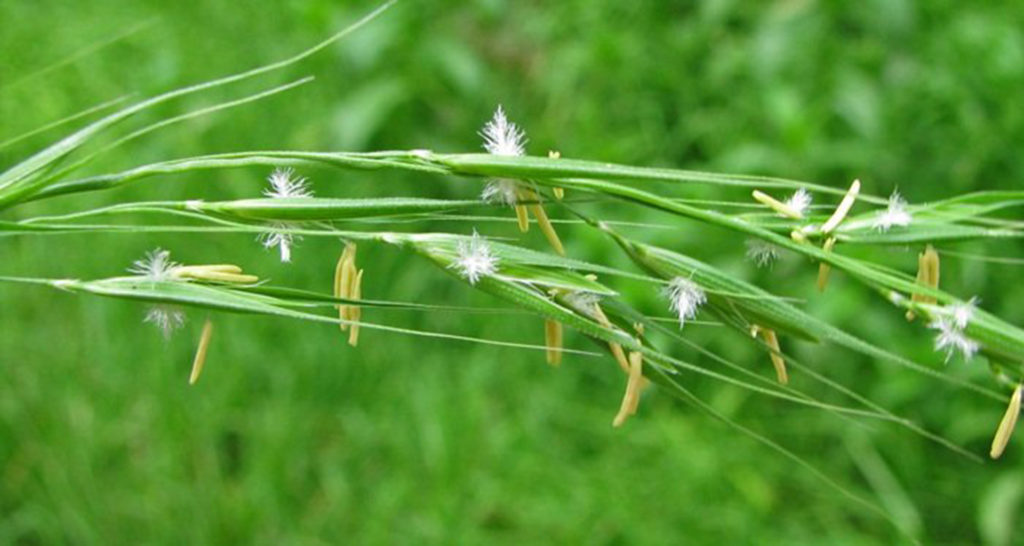
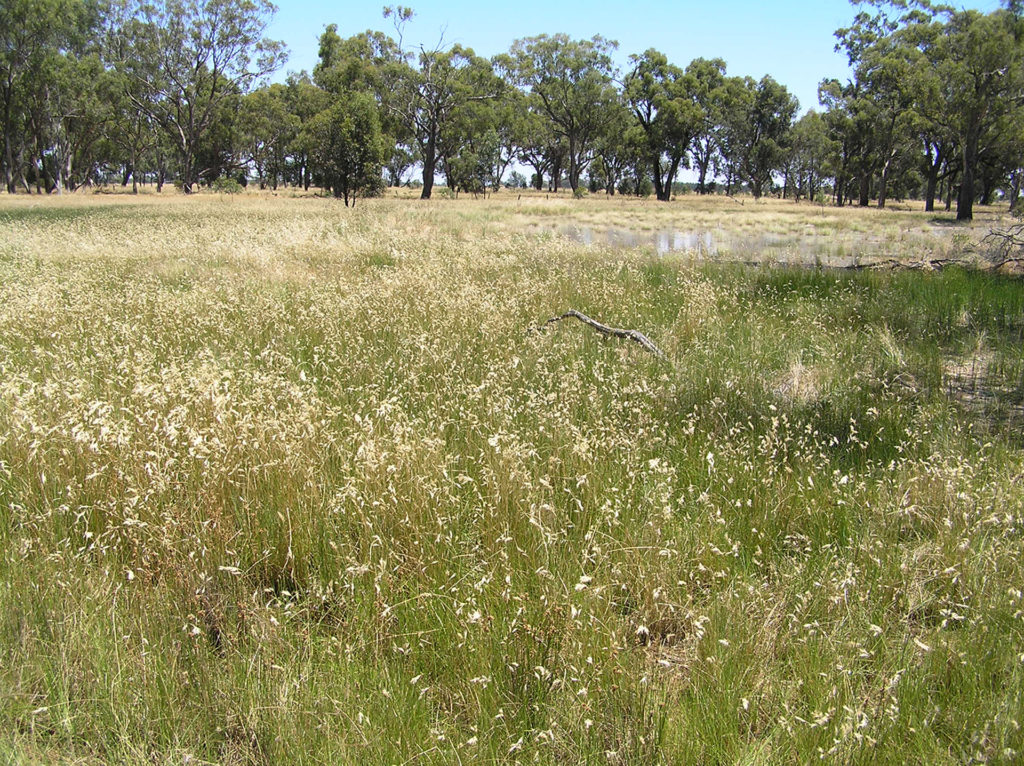
Microlena stipoides or Alpine meadow rice with ripening seeds
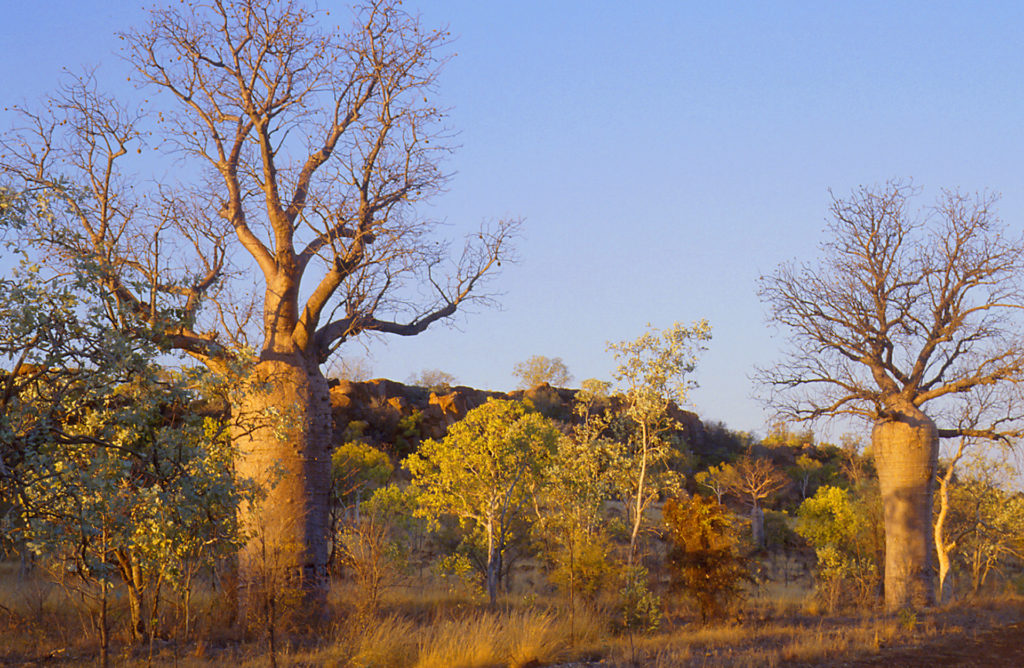
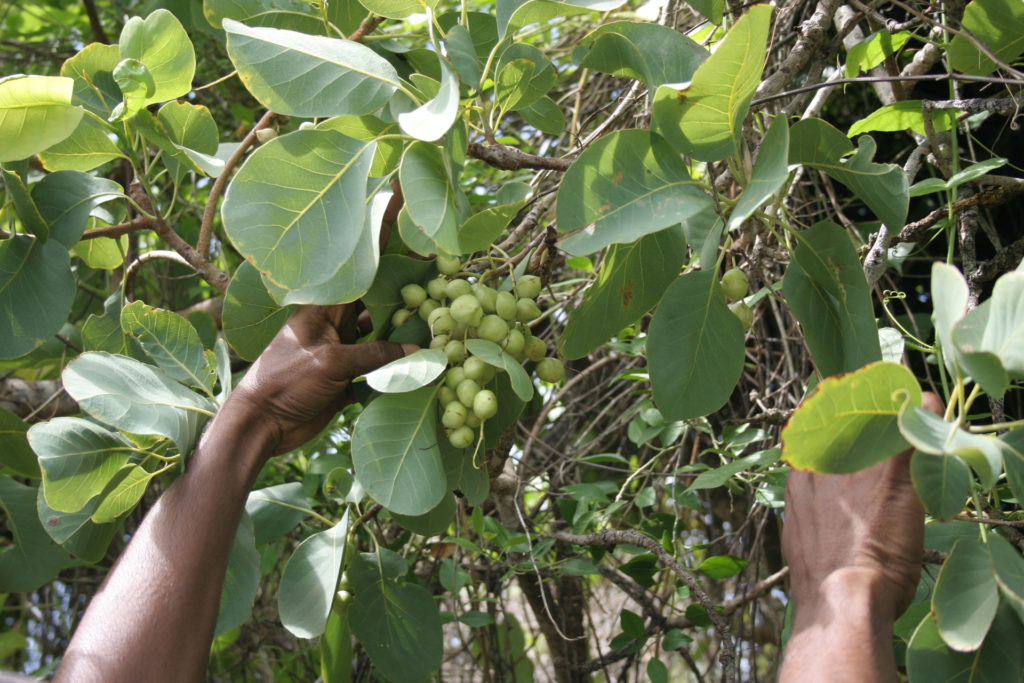
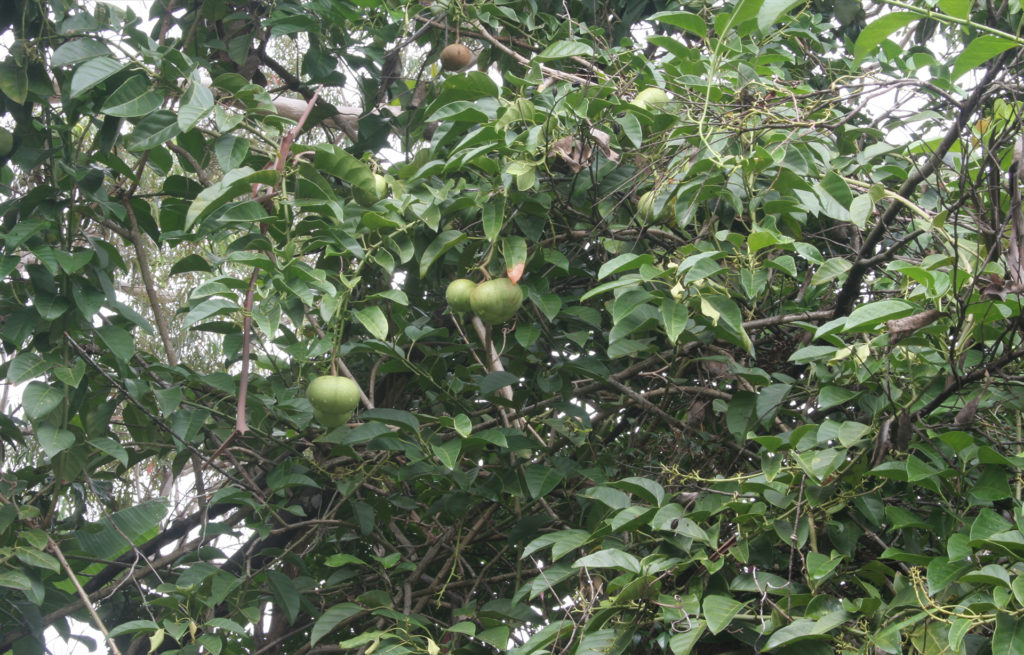
A boab woodland in the Kimberley. The fruits, shoots and roots of the boab are edible although the full nutritional value of each is only just being determined.
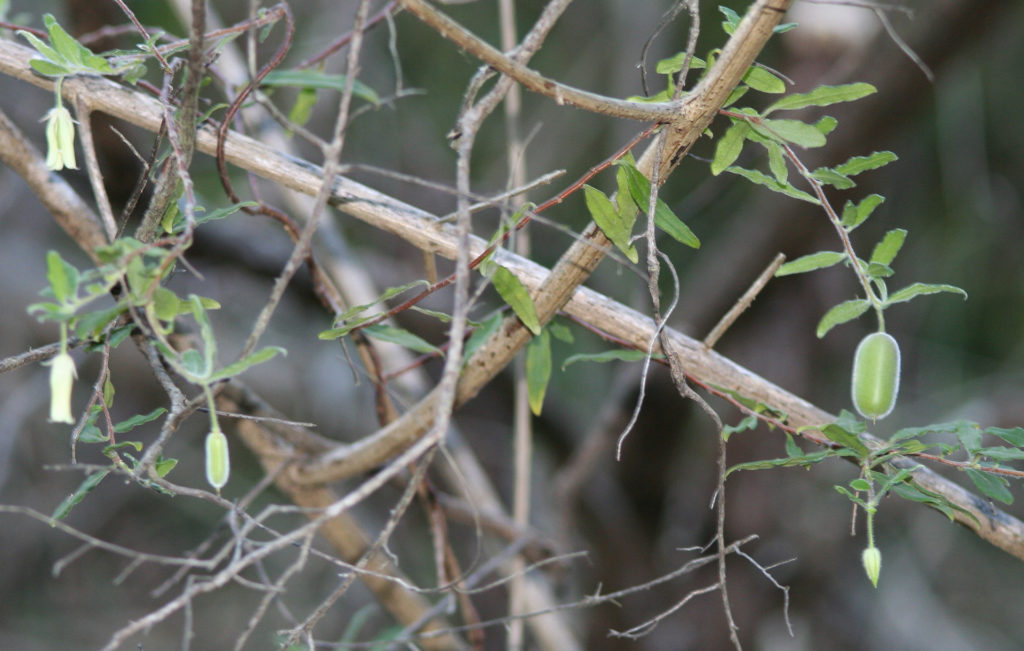
Appleberries (Billardiera scandens) are now being commercially grown but the economics are challenging as the plant is slow growing and the fruits ripen sequentially.
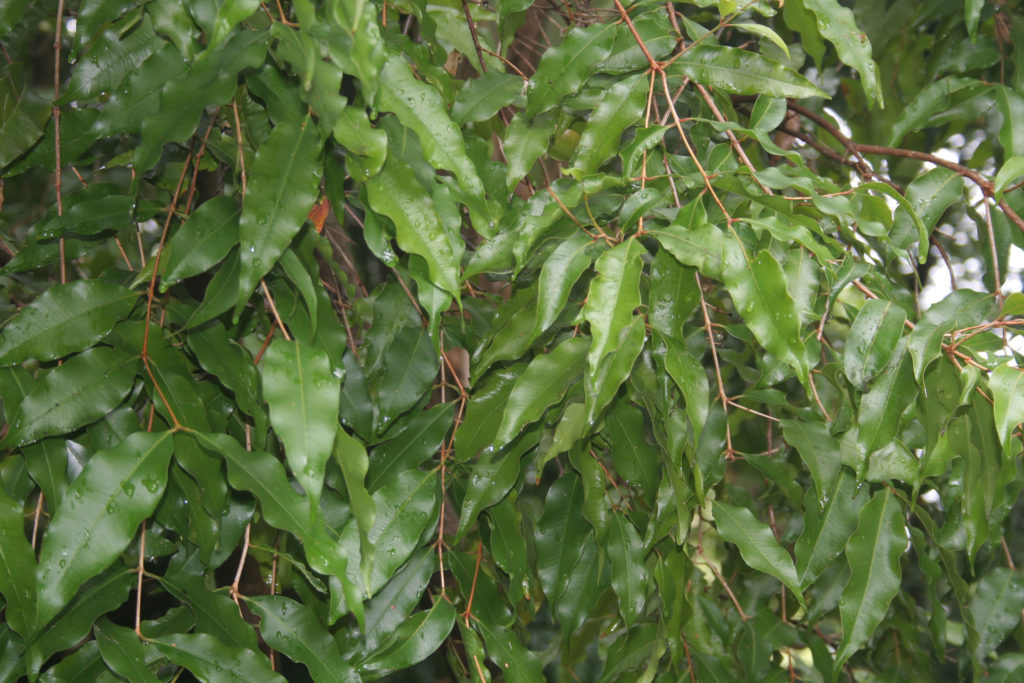
Anetholea anistata or anise myrtle is a functional food in that it contains trans-anethole which has been shown to stimulate the learning centre of the brain.
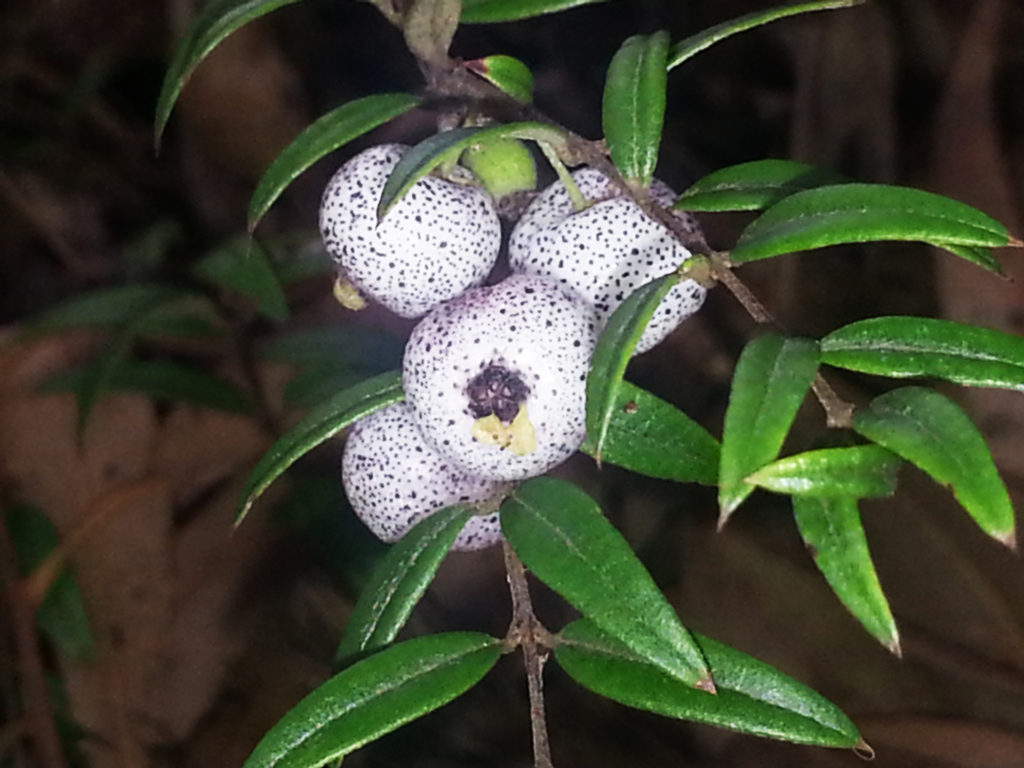
Austromyrtus dulcis or midyim. An excellent eating quality berry produced in heavy crops in late summer. early autumn. The flavour is apple-blueberry-like with a hint of ginger and cinnamon. Definitely superior to most commercial blueberries, raspberries.
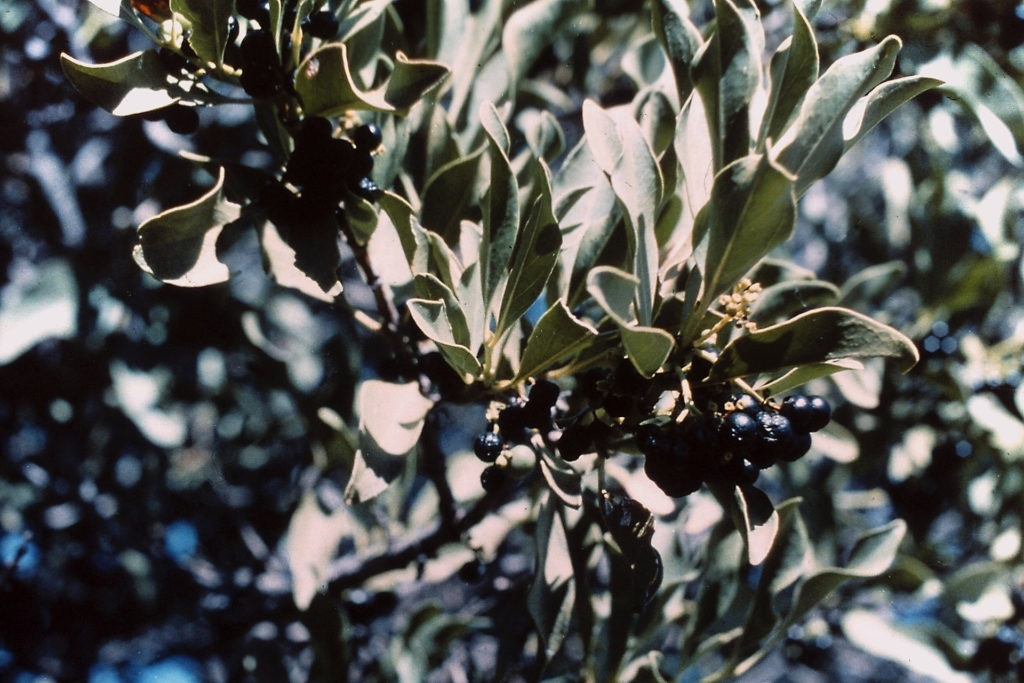
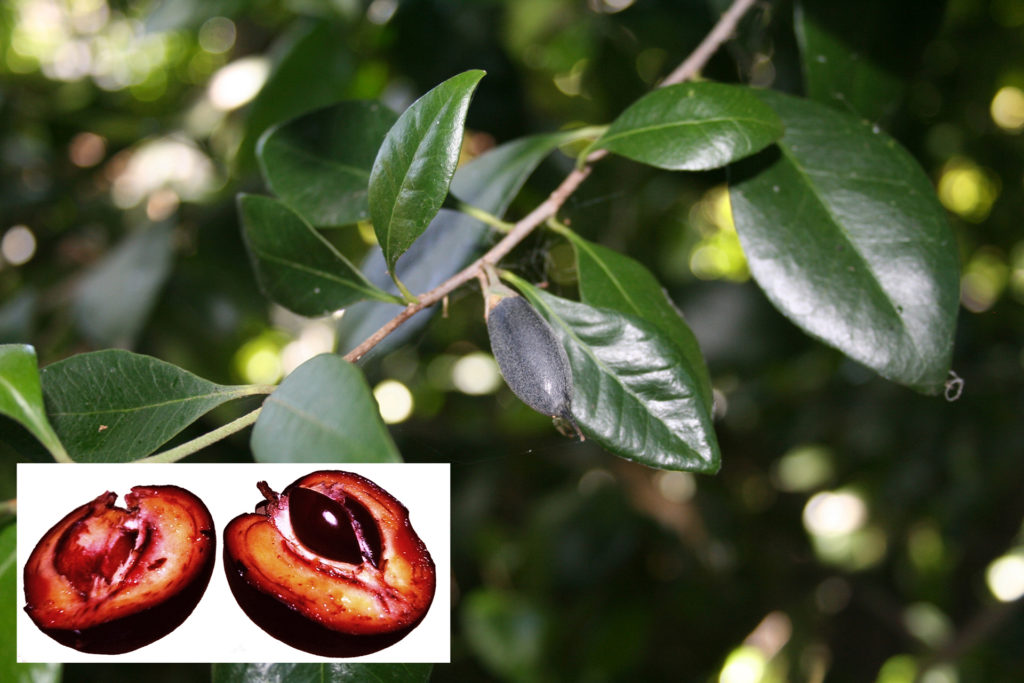
Canthium latifolium or black currants are intensely sweet which may be from fructose or perhaps a non-nutritive sweetener.
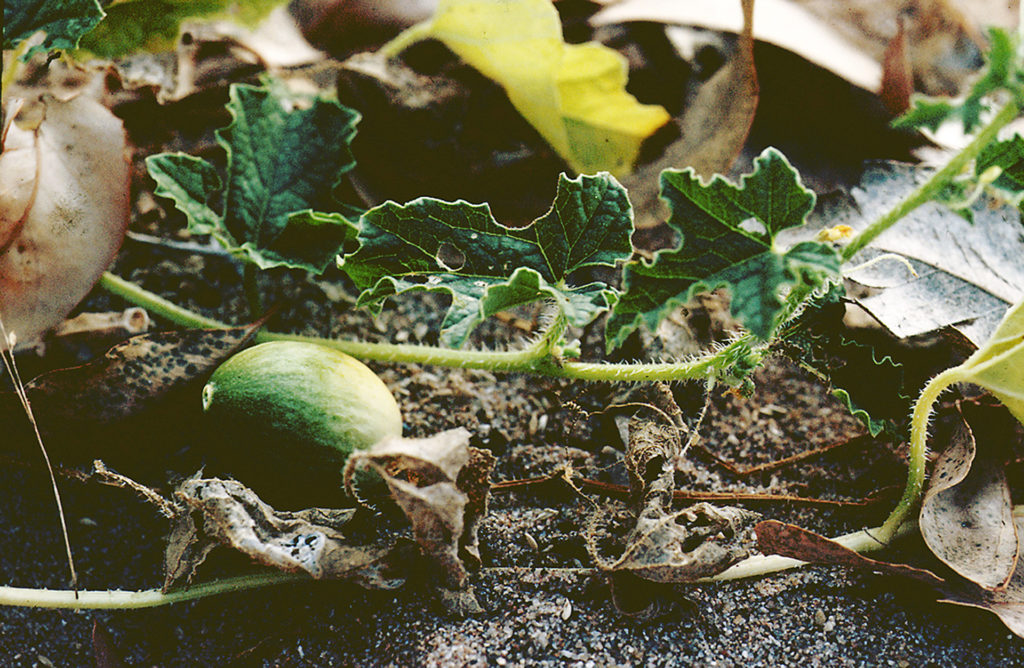
Cucumis melo or bush cucumber This particular fruit had a taste somewhere between cucumber and grapes and the species might be useful as a gene donor as it appears to be fungal resistant while the commercial cucumber is highly susceptible to fungal attack
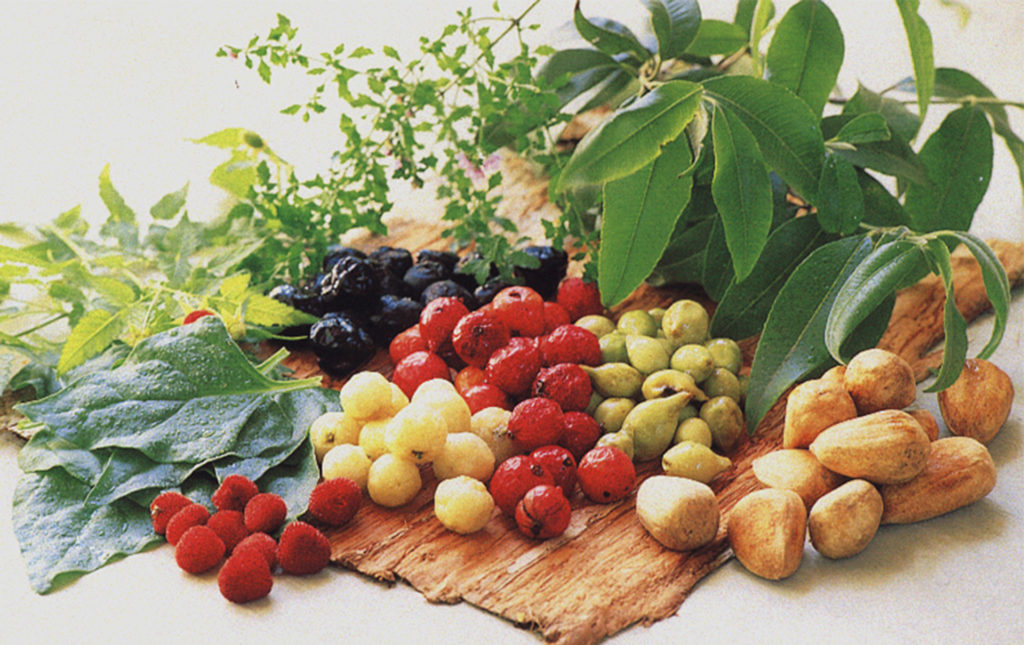
Assorted foods
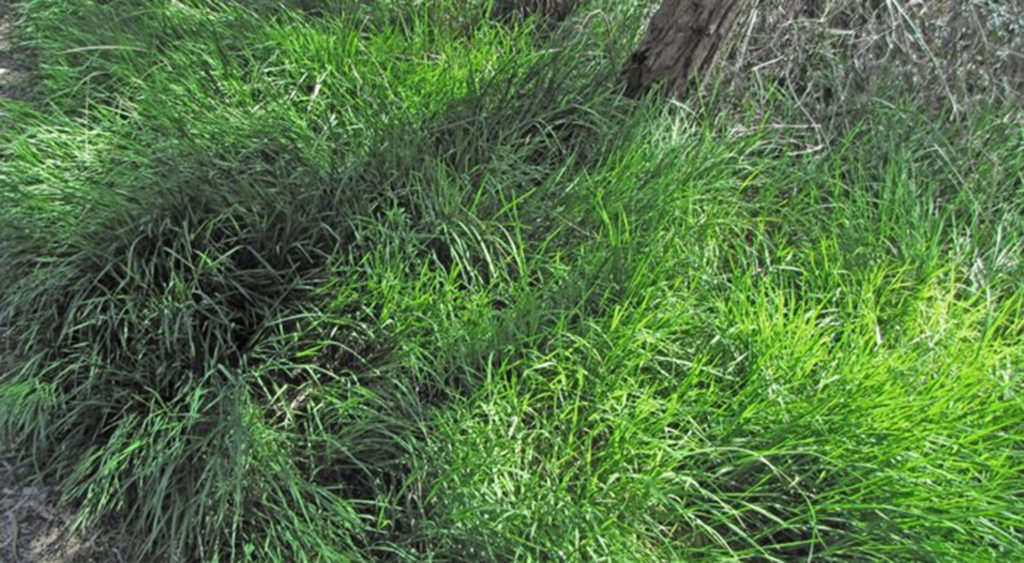
Microlena stipoides growing habit
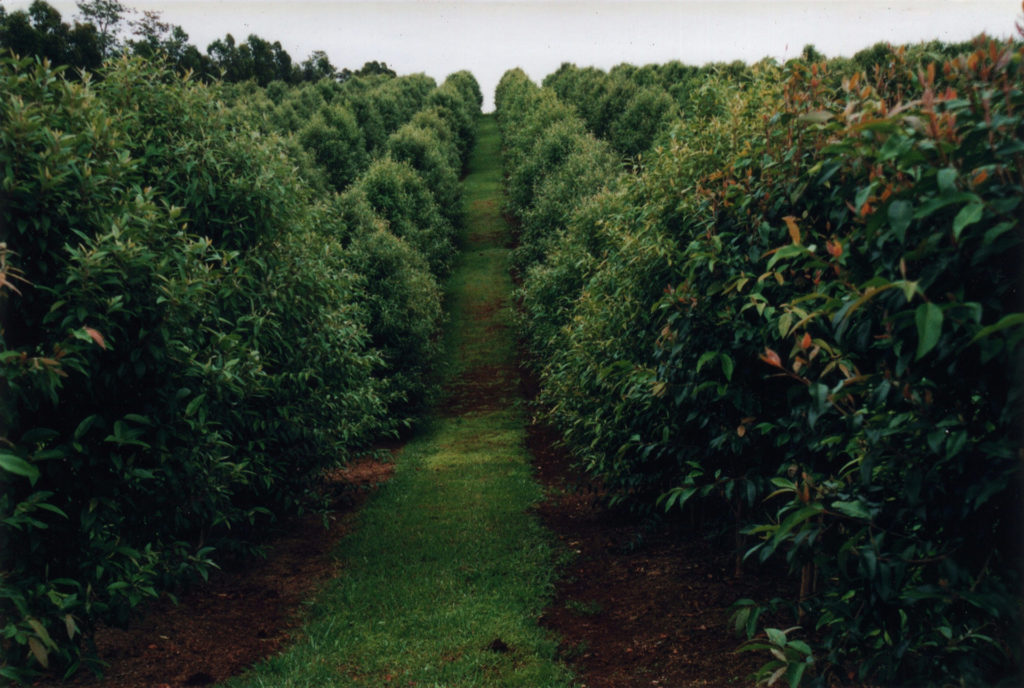
Lemon myrtle plantation
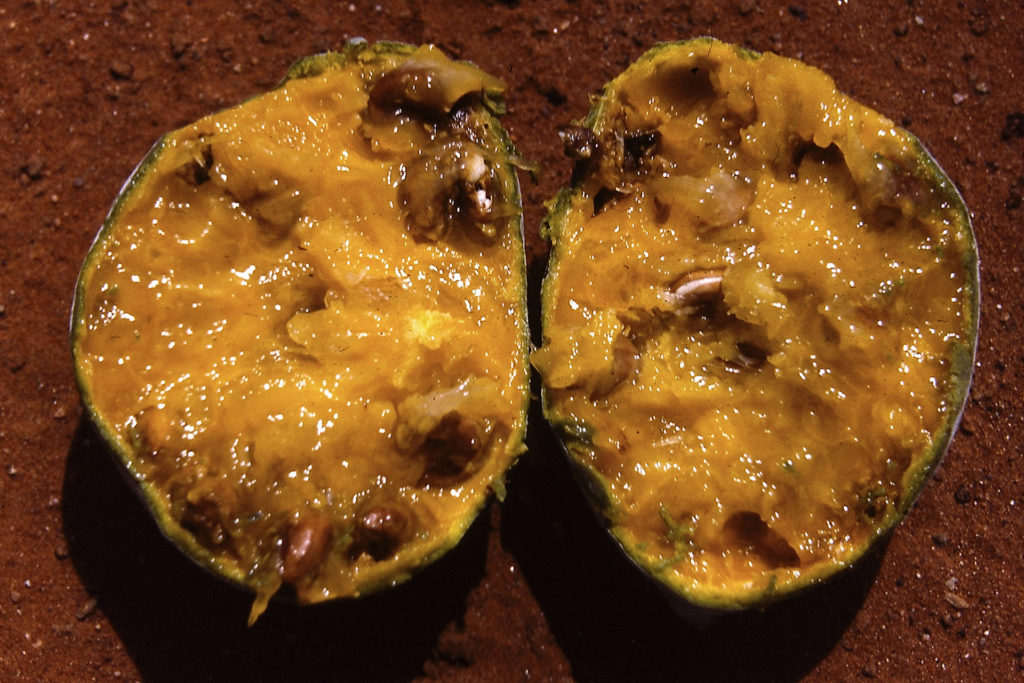
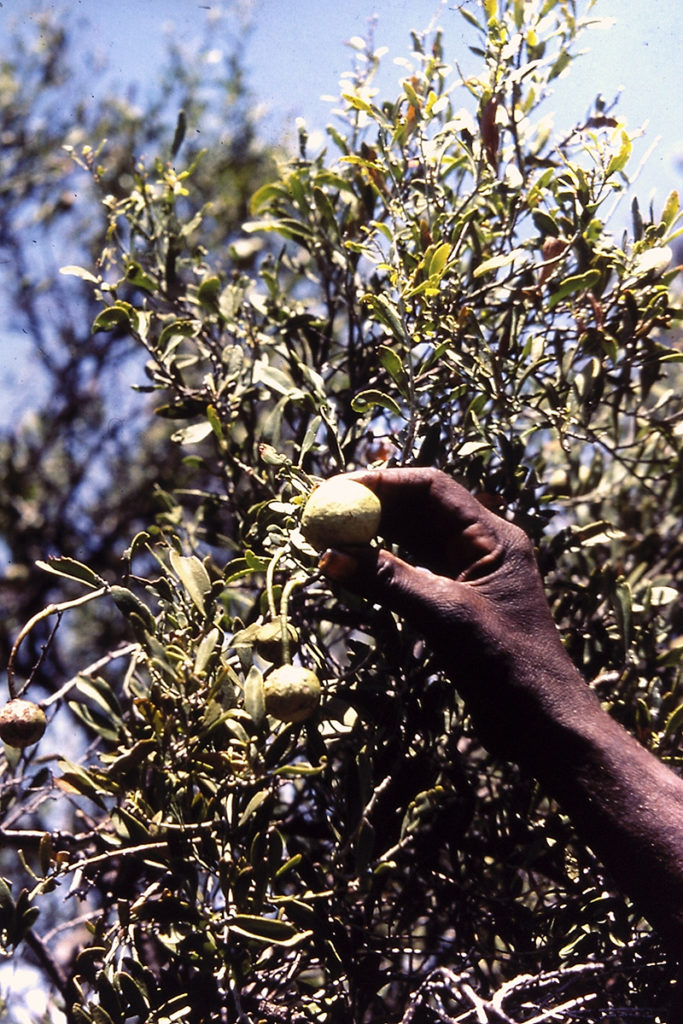
Capparis mitchellii (bush orange) fruit. The flesh is sweet and mild orange tasting while the seeds are spicy. Pic: Jeannie Devitt
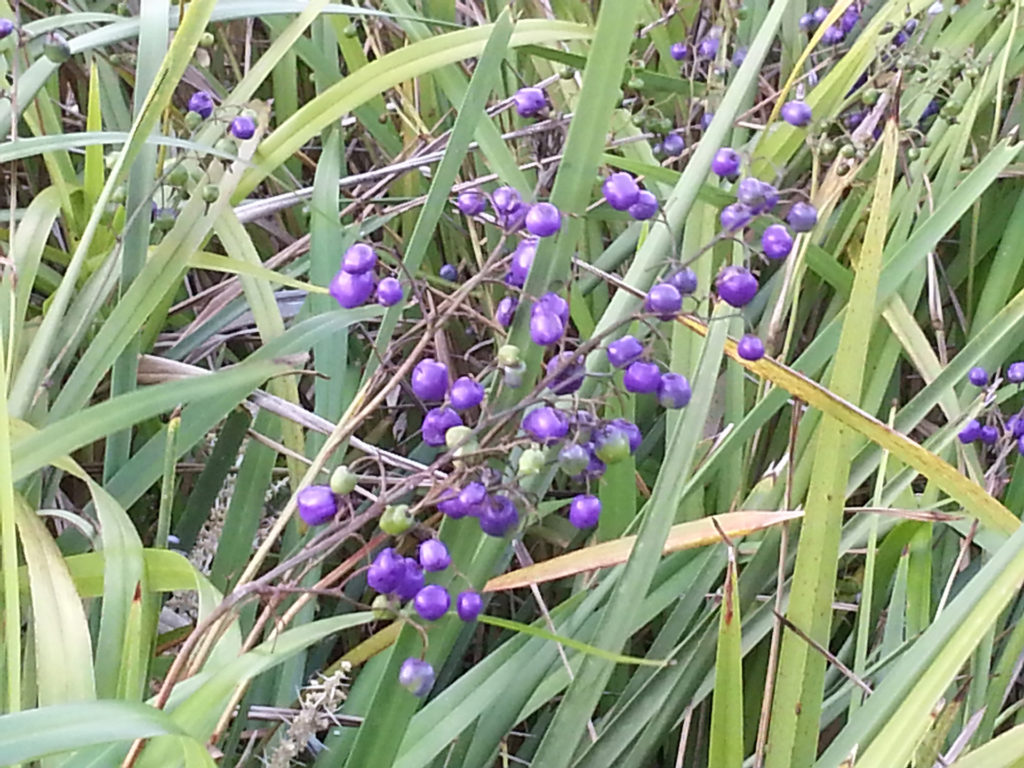
Dianella revoluta or flax lily has edible blue berries and swollen starchy stems.
Capparis mitchellii or bush orange Pic: Jeannie Devitt
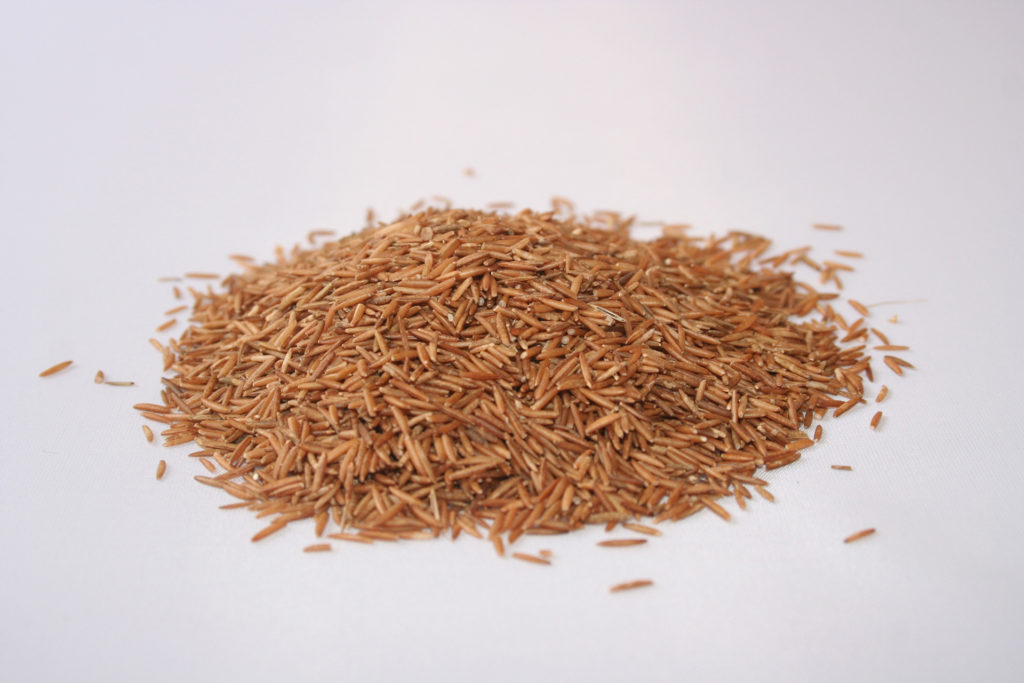
Microlena stipoides seed Several marketing names including Alpine meadow grass or Kosciusko wild rice
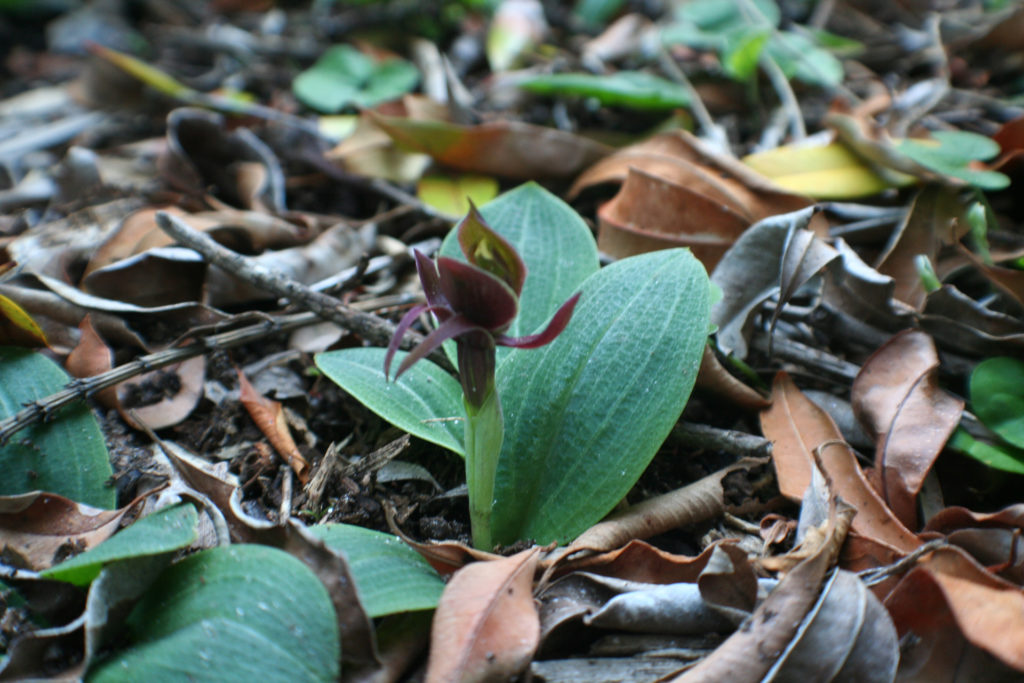
Ground orchids have edible tubers or swollen roots that were harvested on mass by Aboriginal clans who managed these plants with appropriate fire regimes and turning the soil during harvest ensuring expanding and sustainable yields.
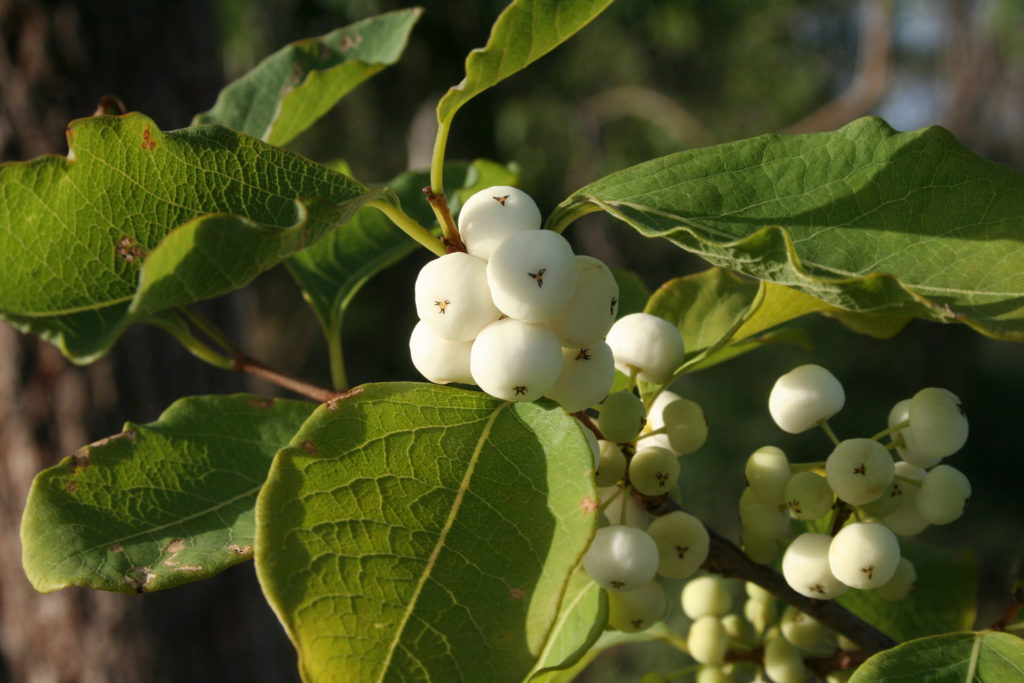
Flueggea virosa (white currants). Common in the vine thickets and coastal savannah of the Top End and Kimberley, these can be bitter with an alkaloid taste but the best selections are sweet with a subtle apricot flavour.
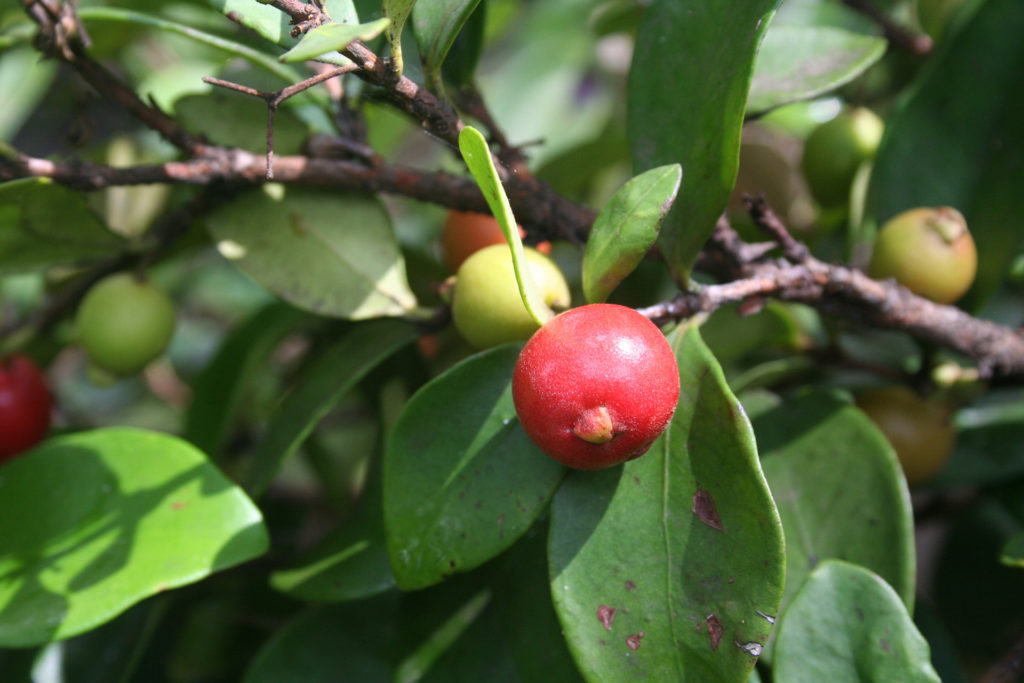
Eugenia reinwardtiana or Cedar Bay cherry produce copious fruits needing protection from birds who peck at each ripe fruit, rarely eating the whole fruit but ruining the harvest for everyone.
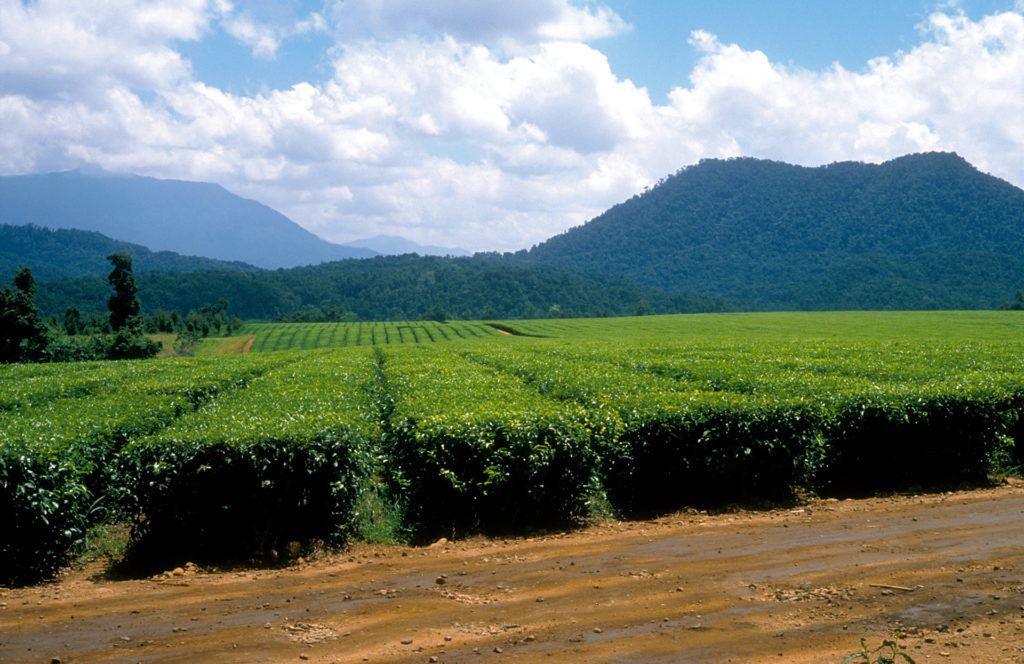
Tea plantation west of Cairns in the Atherton Tablelands of far north Queensland. 1992.
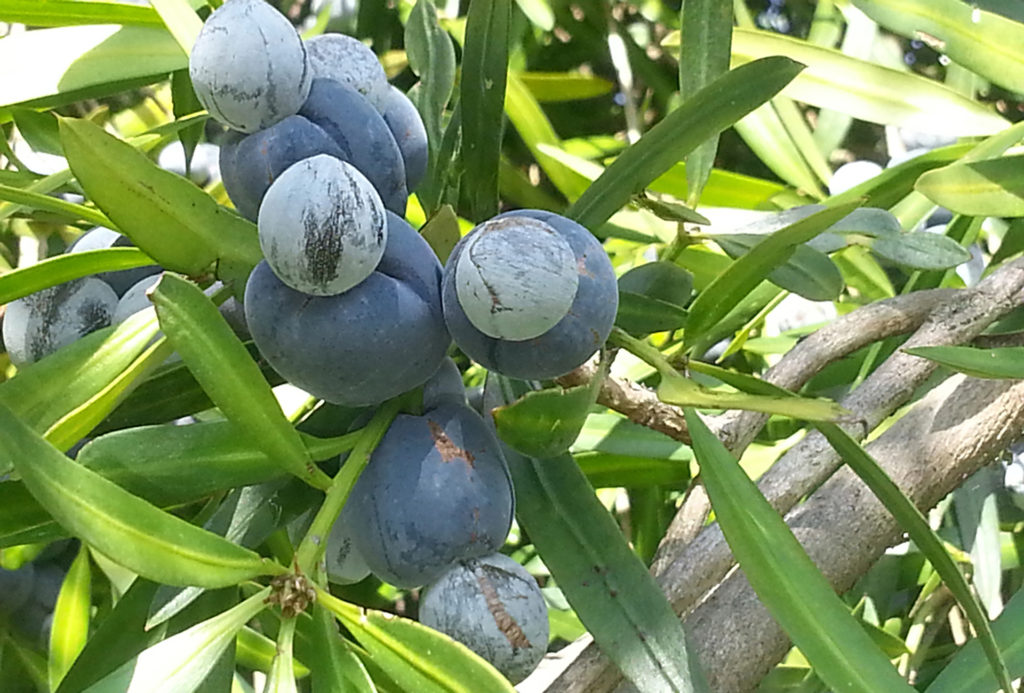
Illawarra plums or Podocarpus elatum are delicious eaten freshly picked but quickly over-ripen within hours.
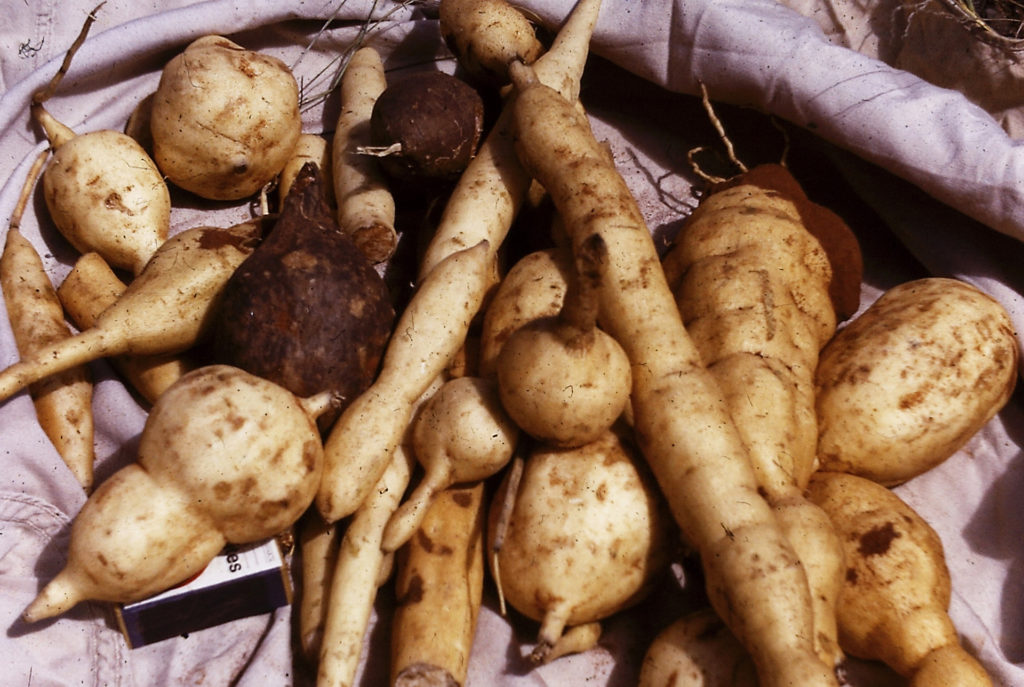
Ipomoea costata tubers or bush potatoes have significant commercial potential now that a natural antimicrobial (Herbal-Active®) has been developed to be used to slow fungal deterioration post-harvest.
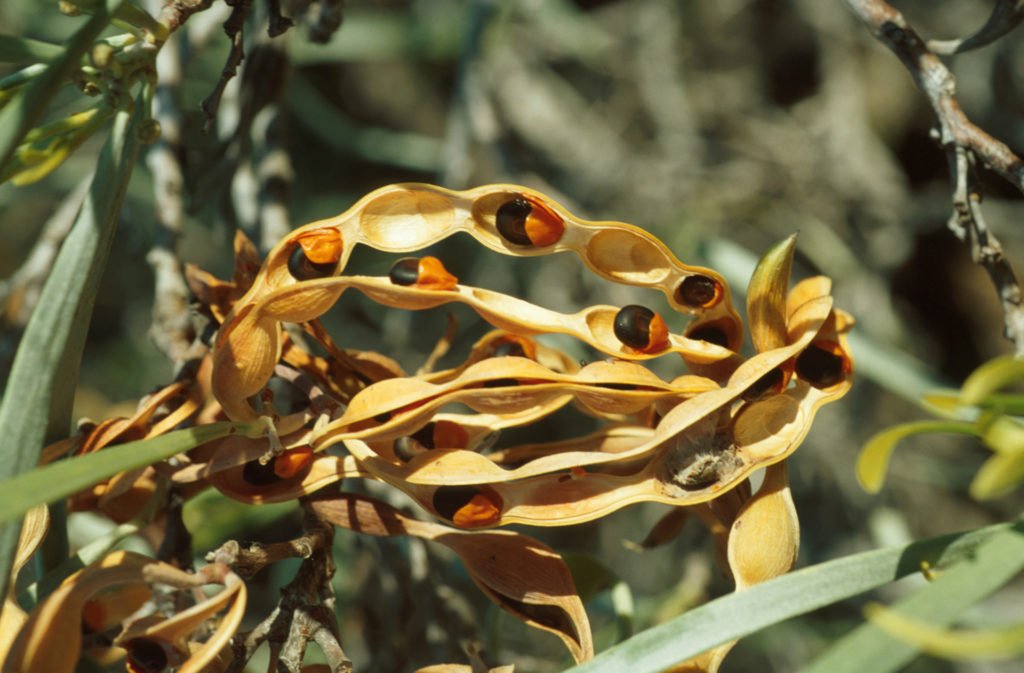
Acacia coriacea seeds in pods
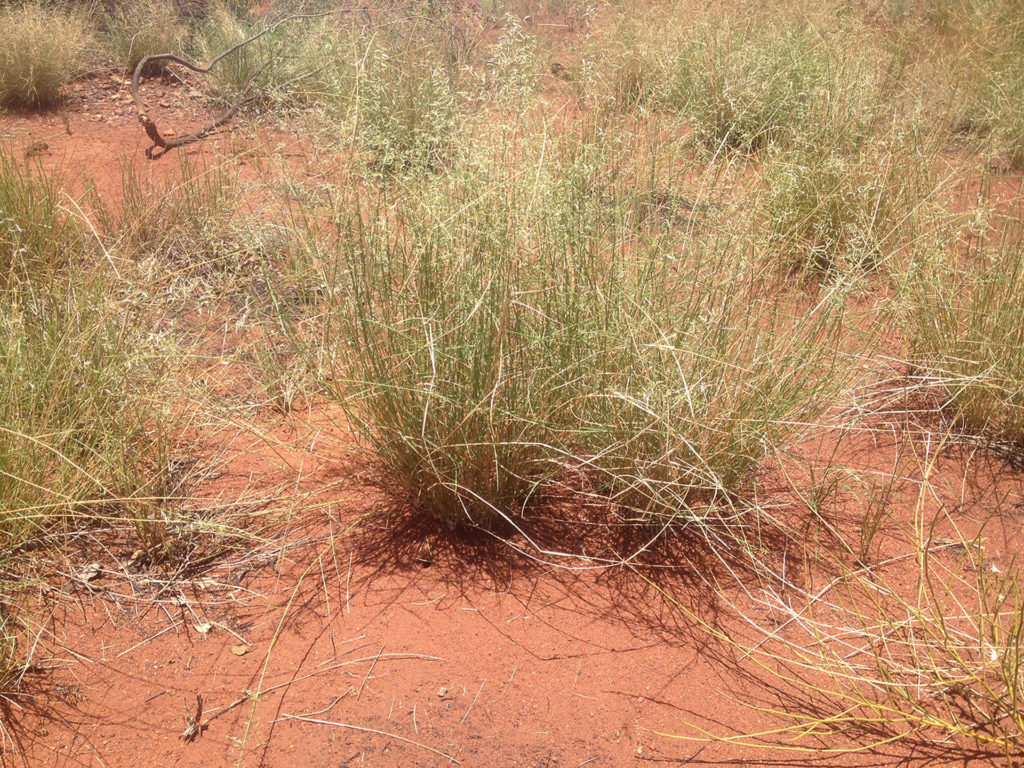
Eragrostis eriopoda (Woolybutt or love grass) has a tiny brown seed that has a nutty flavour when milled and baked into a damper. This has huge potential as a new seed crop.
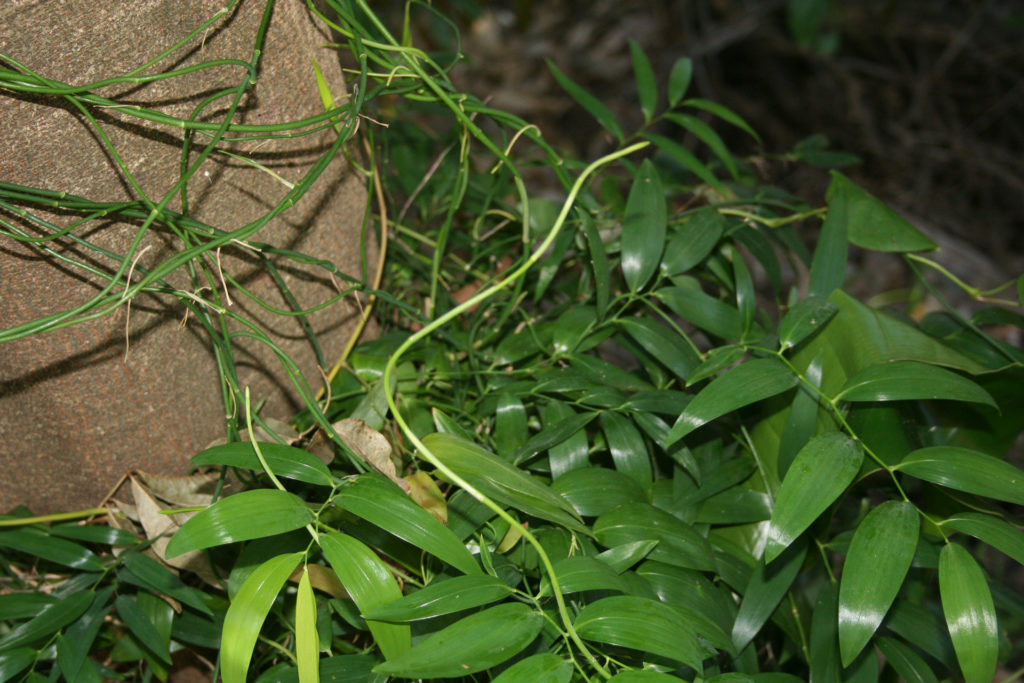
Geitonoplesium cymosum or scrambling lily has the potential to be grown as a substitute for asparagus or French runner beans as the growing stems taste as good or better than both.
Aboriginal ‘wheat’ paddock of Alpine meadow grass, Microlena stipoides